Colour Correction & Grading
Fix colour issues and craft a visual mood that fits the story.
English
Last updated
Tue, 22-Sep-2026
Fix colour issues and craft a visual mood that fits the story.
English
Last updated
Tue, 22-Sep-2026
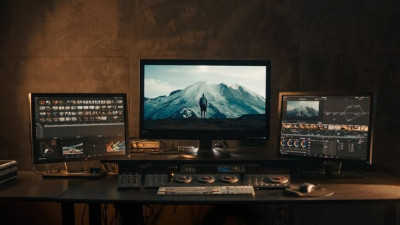
Colour correction fixes technical problems in footage. White balance, exposure mismatches, skin tones, consistency across shots. Colour grading goes further. It shapes mood and style. Warm tones for nostalgia. Cool tones for tension. A consistent look across a whole project.
Students learn to read waveforms and scopes, not just trust their eyes. They work with primary corrections first (exposure, contrast, white balance), then secondary corrections (isolating colours, skin tone protection). Grading covers LUTs, colour wheels, and building a signature look.